



FIPA-Tunisia 2024. All rights and photo credits reserved Numeryx Tunisia
FIPA-Tunisia 2024. All rights and photo credits reserved Numeryx Tunisia
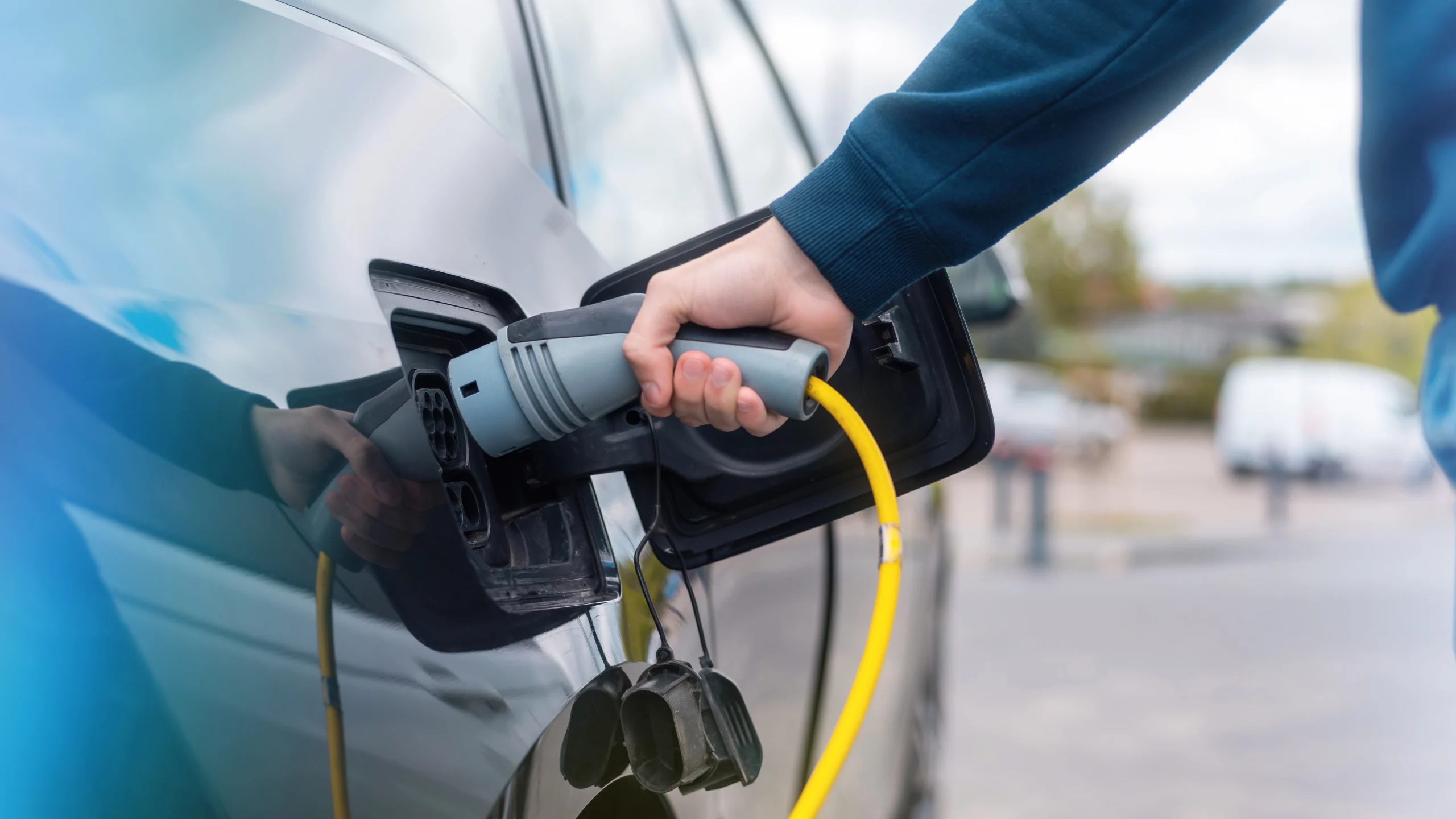
In early 2026, the Tunisian government launched a new phase of its energy transition, placing a strong emphasis on electric mobility. The stated goal is to have 125,000 electric cars and 12,000 public charging stations by 2035. To achieve this, a new tax and financial system will came into force January 2026, accompanied by a vast plan to roll out charging infrastructure across the country.
According to the National Energy Management Agency (ANME), the main drivers of this ambitious programme would be:
✔ Total exemption from customs duties and consumption tax on imports. In addition, there will be a dramatic reduction in VAT, from 19% to 7%. This reduction is intended to bridge the purchase price gap, which is the main obstacle to the widespread adoption of these vehicles.
✔ Owners will also benefit from a 50% reduction on registration fees (vehicle registration document) and on the annual road tax sticker, thereby reducing the cost of use over time.
✔ A subsidy of 10,000 dinars is granted for the purchase of any new electric vehicle intended for public companies, local authorities and professionals. A pilot phase is primarily targeting individual taxi owners, a strategic sector in the urban landscape.
✔ The government will cover part of the interest margins applied to bank loans taken out to purchase electric vehicles. This measure aims to reduce the overall cost of the loan and encourage investment by both households and professionals.
According to local experts, behind these announcements lies a structural imperative: the transport sector weighs heavily on the national energy balance sheet. The ANME estimates that it accounts for around 30% of final energy consumption and more than a quarter of greenhouse gas emissions in Tunisia.